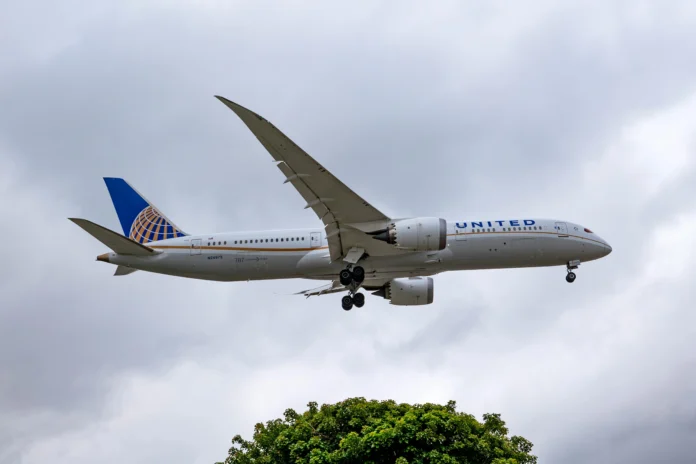
Delta Flight DL275 diverted to LAX after a precautionary in-flight system alert during a trans-Pacific journey, prompting the flight crew to reroute the aircraft to Los Angeles International Airport for safety reasons. The aircraft landed safely, no injuries were reported, and all passengers were accommodated by Delta Air Lines.
The incident drew widespread attention because it involved a long-haul international flight and a wide-body aircraft operating over remote oceanic airspace—conditions where aviation safety decisions are especially conservative.
This article explains what happened, why LAX was chosen, how passengers were affected, and what this incident reveals about modern aviation safety.
Delta Flight DL275 Diversion – Quick Facts
- Flight: Delta Air Lines DL275
- Aircraft: Airbus A350-900
- Incident Type: Precautionary technical diversion
- Diversion Airport: Los Angeles International Airport (LAX)
- Outcome: Safe landing, no injuries
- Primary Reason: Engine system alert (anti-ice related)
Overview of Delta Flight DL275
Delta Flight DL275 is a scheduled long-haul international service operated by Delta Air Lines, typically using an Airbus A350-900, one of the most advanced wide-body aircraft in commercial aviation.
Under normal operations, the flight:
- Carries more than 300 passengers
- Operates across high-latitude and trans-Pacific airspace
- Requires strict compliance with engine, weather, and safety regulations
Because of the long distance and remote routing, airlines plan multiple diversion airports before departure.
What Caused Delta Flight DL275 to Be Diverted to LAX?
According to reports and aviation safety analysis, the diversion occurred after the flight crew identified an abnormal indication in one of the aircraft’s critical systems while cruising at high altitude.
While airlines do not immediately release full engineering details, aviation safety reporting standards followed by major global outlets such as Reuters indicate that precautionary diversions are a routine safety measure designed to prevent potential risks before they escalate.
Confirmed Cause (Precautionary)
- A technical alert related to engine system performance, specifically involving the engine anti-ice system
- No fire, smoke, or loss of control occurred
- The aircraft remained fully controllable at all times
Anti-ice systems are essential for long-haul flights over cold regions. Even partial degradation can increase risk during extended operations, prompting a precautionary diversion rather than continuation.
Why Was Los Angeles (LAX) Chosen as the Diversion Airport?
Many passengers asked why the flight diverted to Los Angeles instead of a closer airport. The decision was strategic and safety-driven.
Key Reasons LAX Was Selected
- Long runways capable of handling a fully fueled wide-body aircraft
- Certified Airbus A350 maintenance facilities
- On-site Rolls-Royce engine support
- Full customs, immigration, and passenger services
- Large Delta operational presence for rebooking and accommodation
In aviation, the nearest airport is not always the safest. LAX provided the best combination of technical capability and passenger support.
Timeline of the Delta Flight DL275 Diversion
Takeoff
The flight departed normally and reached cruising altitude without incident.
In-Flight Detection
Several hours into the flight, cockpit systems detected an abnormal system reading.
Crew Assessment
Pilots consulted Delta’s Operations Control Center and followed established safety checklists.
Decision to Divert
Given the flight’s location and system status, the crew elected to divert.
Safe Landing at LAX
The aircraft landed safely at Los Angeles International Airport in the early morning hours. Emergency services were on standby as a precaution.
Aviation tracking platforms such as FlightAware commonly show that diversions often occur mid-flight once system data is fully assessed in real time.
Was Delta Flight DL275 Ever in Danger?
No.
The diversion was precautionary, not reactive.
How are Modern commercial aircraft designed with:
- Multiple system redundancies
- Real-time monitoring
- Conservative safety thresholds
Diversions occur before conditions escalate. This incident demonstrates the effectiveness of aviation safety protocols, not a failure of them.
Passenger Experience During the Diversion
Passengers reported a mix of concern and reassurance during the event.
Onboard Experience
- Regular announcements from the flight deck
- Calm, professional cabin crew communication
- No emergency evacuation or abnormal descent
After Landing
Delta Air Lines provided:
- Rebooking on alternate flights
- Hotel accommodations where required
- Meal vouchers and ground transportation
- Customer service support at LAX
Many passengers later acknowledged that clear communication helped reduce anxiety during the unexpected change.
What Happens After a Flight Is Diverted?
Once a diversion occurs, a structured process follows:
- Aircraft Inspection by certified maintenance teams
- Regulatory Reporting to aviation authorities
- Crew Duty Evaluation to ensure rest compliance
- Passenger Reaccommodation
- Operational Recovery Planning
The aircraft involved in DL275 remained grounded until inspections were completed and clearance was granted.
Financial and Operational Impact on Delta Air Lines
While safety always comes first, diversions carry significant operational costs, including:
- Additional fuel consumption
- Airport and handling fees
- Maintenance inspections
- Passenger accommodations
- Schedule disruption across the network
Industry estimates place the cost of a long-haul diversion in the multi-million-dollar range, depending on duration and impact.
What This Incident Reveals About Aviation Safety
The Delta Flight DL275 diverted LAX incident highlights several key truths about modern air travel:
- Safety decisions are intentionally conservative
- Airlines plan for diversions long before takeoff
- Crew training and communication are critical
- Large hub airports play a vital emergency role
- Diversions are signs of prevention, not failure
Rather than indicating danger, diversions reflect a system designed to eliminate risk early.
Passenger Rights During a Diversion
Passenger entitlements depend on:
- Reason for diversion
- Local aviation regulations
- Airline policy
In safety-related diversions:
- Cash compensation is typically not required
- Airlines usually provide accommodation, meals, and rebooking
- Travel insurance may cover additional expenses
Passengers are advised to keep receipts and monitor airline communications.
How Travelers Can Prepare for Unexpected Diversions
While diversions are rare, preparation helps reduce stress:
- Keep essentials in carry-on luggage
- Download airline mobile apps
- Allow buffer time for international connections
- Consider comprehensive travel insurance
Frequently Asked Questions (FAQs)
Why was Delta Flight DL275 diverted to LAX?
The flight was diverted due to a precautionary technical alert related to an engine system. LAX offered the safest landing and support options.
Was the aircraft unsafe to fly?
No. The diversion was made before any safety risk developed.
Why not continue to the original destination?
Long-haul flights over cold and remote regions require all systems to operate within strict limits. Continuing was not advisable.
Did passengers receive compensation?
Passengers were rebooked and accommodated. Compensation depends on fare rules and regulations.
How common are flight diversions?
Diversions are rare relative to total flights but are a normal part of aviation safety management.
Conclusion
The diversion of Delta Flight DL275 to LAX serves as a clear example of aviation safety working exactly as intended. A precautionary decision by a trained flight crew, supported by airline operations and airport infrastructure, ensured a safe outcome for everyone onboard.

